Turquoise and Black Geometric Patterns: A Comprehensive Evaluation
In the realm of digital design, color theory and pattern selection play pivotal roles in establishing visual hierarchy and emotional resonance. Among the myriad combinations available to designers, scrapbookers, and educators, Turquoise and Black Geometric Patterns have emerged as a versatile and striking option. This specific aesthetic combines the calming, aquatic hues of turquoise with the grounding, high-contrast presence of black, arranged in structured geometric forms. For professionals and hobbyists alike, understanding the utility, limitations, and applications of these patterns is essential for making informed creative decisions.
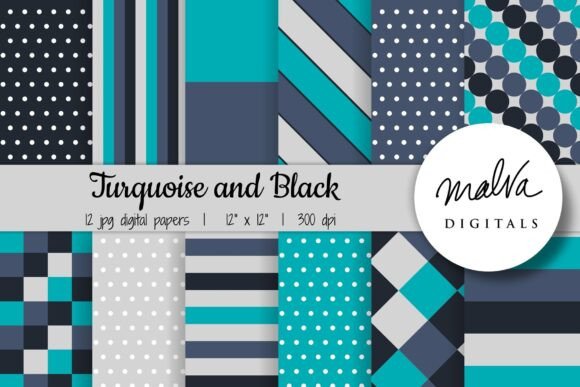
This evaluation explores the characteristics of a typical collection featuring twelve distinct digital paper designs, including polka dots, stripes, squares, circles, and triangles. By analyzing the technical specifications—such as 300 DPI resolution and 12” x 12” dimensions—and the broad range of potential use cases, readers can determine whether this asset aligns with their current project requirements.
Understanding the Aesthetic: Turquoise and Black Geometry
The combination of turquoise and black offers a unique visual balance. Turquoise, often associated with clarity, communication, and calm, provides a bright focal point. Black, conversely, adds sophistication, depth, and contrast. When these colors are applied to geometric shapes, the result is a modern, clean, and organized appearance that avoids the chaos of organic patterns while maintaining visual interest.
Geometric patterns rely on mathematical precision and repetition. In the context of digital papers, this translates to crisp lines and uniform spacing. The inclusion of various shapes—such as polka dots, stripes, squares, circles, and triangles—allows for significant variation within a single cohesive theme. This variety ensures that a user does not run out of options when designing multi-page documents or layered projects.
Technical Specifications and Quality Standards
When evaluating digital assets, technical quality is paramount. A standard offering in this category typically includes 12 high-quality digital papers provided in JPG format. While JPG is a widely compatible format, it is crucial to verify the resolution and dimensions before purchase or download.
- Resolution: Files should be at least 300 DPI (Dots Per Inch). This density is the industry standard for professional printing. Lower resolutions may appear pixelated or blurry when printed at larger sizes, particularly when scaling up from a small thumbnail view.
- Dimensions: The standard size of 12” x 12” is highly advantageous for scrapbooking and cardmaking. It aligns perfectly with standard die-cutting templates and album pages, reducing the need for cropping or resizing, which can degrade image quality.
- Format: JPG files are universally supported by most graphic design software, word processors, and presentation tools. However, users requiring transparency should note that JPG does not support alpha channels; PNG would be necessary if background removal is required.
Applications and Use Cases
The versatility of Turquoise and Black Geometric Patterns makes them suitable for a wide array of applications. Below is an analysis of where these patterns excel and how they can be utilized effectively.
Print-Based Crafts
For physical crafters, these digital papers serve as excellent backgrounds for:
- Cardmaking: The high contrast of black and turquoise works well for both formal invitations and casual greeting cards. Geometric borders can frame text elegantly.
- Scrapbooking: The 12” x 12” size fits standard albums. The geometric nature allows photos to stand out without competing with overly busy floral or abstract backgrounds.
- Party Decor: These patterns are ideal for creating banners, cupcake toppers, and table runners. The color scheme is particularly popular for baby showers (gender-neutral themes), weddings, and corporate events.
- Labels and Stationery: Using these patterns for label stickers or stationary adds a professional yet playful touch to organizational systems or business correspondence.
Digital and Educational Media
Beyond print, these assets are valuable in digital environments:
- School and Classroom Decor: Teachers often seek visually stimulating but non-distracting backgrounds. Geometric patterns provide structure that can help focus student attention. They are perfect for bulletin boards, worksheet headers, and classroom signage.
- Presentations: Incorporating these patterns into PowerPoint slides can break the monotony of solid-colored backgrounds. Subtle dot or stripe patterns work well behind text boxes, ensuring readability while adding brand consistency.
- Worksheets and Handouts: Educational materials benefit from clear visual separation. Geometric borders can define sections of a worksheet, guiding the reader’s eye through complex information.
Evaluating Benefits and Tradeoffs
While Turquoise and Black Geometric Patterns offer numerous advantages, it is important to consider potential drawbacks to ensure they fit your specific needs.
Benefits
- Cohesion: Having twelve variations in the same color palette ensures that all elements of a project look harmonious. This reduces decision fatigue for designers.
- Time Efficiency: Pre-made digital papers eliminate the need to create patterns from scratch, allowing creators to focus on layout and content rather than graphic generation.
- Professional Finish: High-resolution files ensure that final prints look polished and commercial-grade, which is critical for sellers on platforms like Etsy or for client work.
Considerations and Limitations
- Color Specificity: If a project requires a different shade of blue or a neutral gray, this specific palette may not match. Turquoise is a distinct hue; substituting it with teal or cyan might alter the intended mood significantly.
- Pattern Scale: Some geometric patterns may look great at 12” x 12” but lose detail when scaled down for small stickers or icons. Users should test scalability before committing to large-scale production.
- File Format Constraints: As mentioned, JPG files do not support transparency. If you need to overlay these patterns onto other images without a white box background, you will need to edit them in software that supports layer masks or convert them to PNG, which may introduce compression artifacts.
Decision-Making Insights: Is This Right for You?
To determine if Turquoise and Black Geometric Patterns are the correct choice, consider the following questions:
- What is the primary output medium? If you are printing directly to 12” x 12” stock, this format is ideal. If you are designing for web-only use where file size is a concern, smaller, optimized versions might be more appropriate.
- Do you need transparency? If yes, ensure the provider offers PNG files or plan to edit the JPGs to remove backgrounds.
- Is the color scheme aligned with your brand or event? Turquoise and black is bold and modern. It may not suit soft, pastel, or vintage-themed projects. Evaluate if this high-contrast look matches the tone you wish to convey.
- Are you looking for variety or consistency? Twelve patterns provide good variety within a strict color constraint. If you need broader thematic diversity (e.g., seasonal themes), you might look for larger bundles that include multiple color palettes.
Conclusion
Turquoise and Black Geometric Patterns represent a robust and adaptable resource for creative professionals and hobbyists. With their high-resolution specifications, standardized sizing, and diverse array of shapes, they cater to a wide spectrum of needs, from educational worksheets to elegant party decor. By carefully assessing the technical requirements and aesthetic goals of your project, you can leverage these digital papers to enhance visual appeal and streamline your design workflow. Whether used for personal keepsakes or commercial products, this collection offers a reliable foundation for creating polished, cohesive designs.