Pink Wood Carved Flower Patterns: A Comprehensive Evaluation for Digital Crafters
In the realm of digital design and physical crafting, texture and material authenticity play a pivotal role in elevating the aesthetic quality of a project. Among the various digital assets available to designers, Pink Wood Carved Flower Patterns have emerged as a versatile option for those seeking to blend organic warmth with delicate floral motifs. This specific collection, typically distributed as a set of twelve high-resolution seamless patterns, offers a unique intersection of rustic charm and refined elegance. For individuals researching digital papers for upcoming projects, understanding the technical specifications, application potential, and practical limitations of this asset is crucial before making a selection.
Understanding the Asset: What Are Pink Wood Carved Flower Patterns?
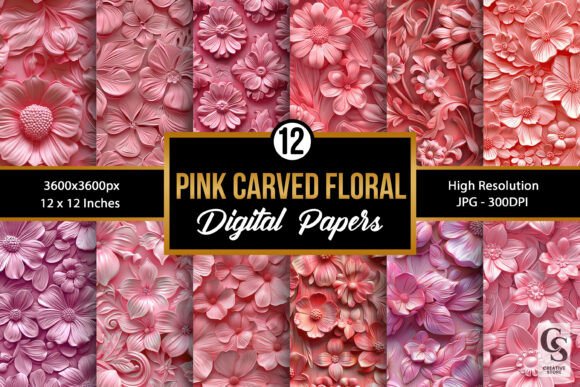
The term "Pink Wood Carved Flower Patterns" refers to a curated bundle of digital textures that simulate the appearance of wood grain infused with intricate floral carvings, rendered in varying shades of pink. Unlike flat vector graphics or simple photographic images, these are designed as seamless tiles. This means the pattern repeats infinitely without visible seams, allowing it to be scaled up or down while maintaining its structural integrity. The inclusion of twelve distinct variations within a single zip file provides a range of tonal depths and carving densities, catering to diverse stylistic preferences.
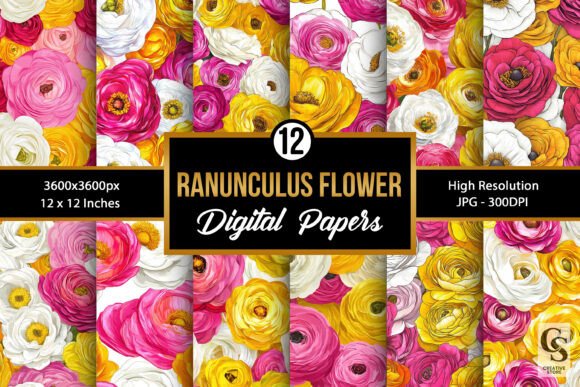
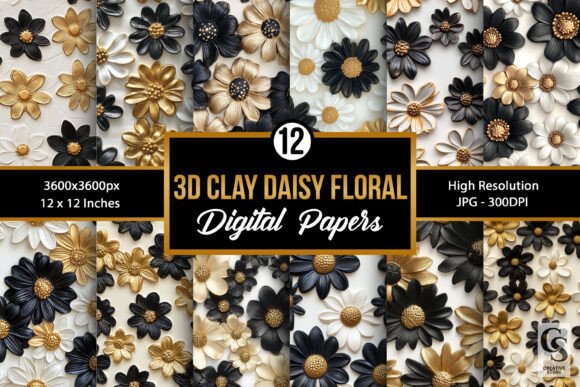
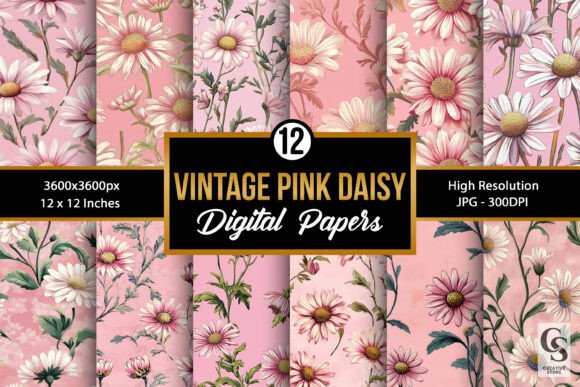
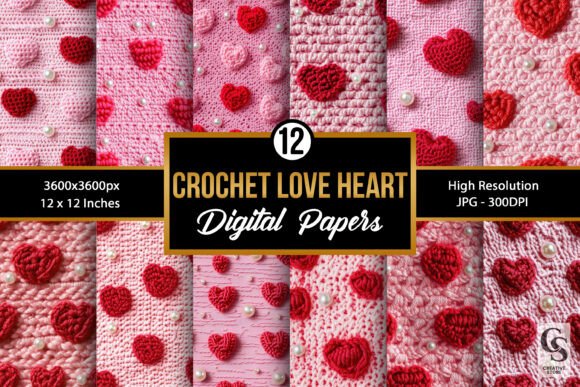
From a technical standpoint, these files are delivered in JPG format at a resolution of 300 DPI (dots per inch). Each image measures 3600 x 3600 pixels, which equates to a physical print size of 12 inches by 12 inches at full quality. This standard square dimension is particularly significant because it aligns directly with the most common paper sizes used in scrapbooking, card making, and planner creation. The choice of JPG ensures broad compatibility across various software platforms, from Adobe Photoshop and Illustrator to Canva and Microsoft Word, reducing the friction often associated with proprietary file formats.
Key Applications and Use Cases
The versatility of Pink Wood Carved Flower Patterns makes them suitable for a wide array of creative endeavors. Because the patterns mimic natural materials, they add a tactile sense of depth to digital designs that might otherwise feel sterile or overly graphic. Below are several primary use cases where this asset class excels:
- Gift Wrapping and Stationery: The seamless nature of the patterns allows them to be tiled perfectly for wrapping paper designs. The pink hue offers a soft, romantic alternative to traditional bold prints, making it ideal for bridal showers, baby showers, or spring-themed gifts.
- Greeting Cards and Invitations: When used as a background layer, these patterns provide a sophisticated texture that complements elegant typography. The carved flower motif adds visual interest without overwhelming the text, ensuring readability while maintaining an artisanal feel.
- Digital Planners and Journals: For creators of digital stationery using apps like GoodNotes or Notability, having high-quality backgrounds is essential. These patterns can serve as page backgrounds, providing a cohesive theme for monthly or weekly layouts.
- Scrapbook Decorations: Physical scrapbookers can print these 12x12 inch images on cardstock or specialty paper to create custom embellishments, journaling cards, and album covers.
- DIY Projects and Tumbler Wraps: The high resolution ensures that when printed on adhesive vinyl for tumbler wraps or notebook covers, the details of the wood grain and flower carvings remain crisp and clear, even at smaller scales.
Evaluating Benefits and Tradeoffs
When considering whether to incorporate Pink Wood Carved Flower Patterns into your workflow, it is important to weigh the benefits against potential tradeoffs. The primary advantage lies in the efficiency and cost-effectiveness of digital assets. Purchasing a single zip file containing twelve high-resolution patterns is significantly more economical than sourcing individual physical papers or commissioning custom illustrations. Furthermore, the instant download nature of digital products allows for immediate iteration and experimentation.
However, there are considerations regarding the realism of the texture. While modern rendering techniques have improved, digital wood textures may lack the subtle imperfections and three-dimensional depth of actual carved wood. For projects requiring hyper-realism, such as architectural visualization or high-end product mockups, users should test the patterns at their intended output size to ensure the pixelation does not detract from the final result. Additionally, the JPG format, while compatible, is lossy. For professional printing workflows that require maximum color fidelity and no compression artifacts, converting these files to TIFF or PNG formats before editing is recommended.
Decision-Making Insights: Is This Right for You?
Determining whether this specific pattern set aligns with your needs depends largely on your target audience and the desired aesthetic tone. If your goal is to create designs that evoke feelings of nostalgia, romance, or rustic chic, these patterns are a strong fit. The combination of wood (representing stability and nature) with flowers (representing growth and beauty) creates a harmonious visual narrative that resonates well with audiences interested in handmade, artisanal aesthetics.
Conversely, if your projects demand a minimalist, corporate, or highly abstract style, the ornate nature of carved flowers may introduce unnecessary visual clutter. In such cases, simpler geometric wood grains or solid color backgrounds might be more appropriate. Similarly, for users working exclusively in vector-based environments who prioritize infinite scalability without any resolution constraints, raster-based JPGs may not be the optimal choice, although they can still be embedded effectively.
Alternatives to Consider
While Pink Wood Carved Flower Patterns offer a compelling solution for many crafters, other alternatives exist depending on specific requirements. For those needing editable vector shapes, SVG files of wood textures might be preferable, allowing for color changes and resizing without quality loss. Alternatively, watercolor floral backgrounds could provide a softer, less structured look compared to the defined lines of carved patterns. Users should also consider monochromatic wood textures if they wish to overlay vibrant floral elements themselves, rather than relying on pre-combined designs.
Practical Implementation Tips
To maximize the utility of this digital asset, users should adopt a systematic approach to organization and usage. First, extract all twelve files from the zip archive and rename them descriptively (e.g., "PinkWood_Flower_01.jpg") to facilitate easy retrieval during busy design sessions. Before applying the pattern to a large document, always preview it at the exact print dimensions you intend to use. This step helps identify any repeating artifacts or alignment issues that might not be visible at a smaller scale.
Furthermore, experiment with blending modes in your design software. Overlaying the wood pattern on a solid color background with reduced opacity can soften the intensity of the texture, creating a more subtle backdrop for text. Conversely, using the pattern at 100% opacity can serve as a bold statement piece. By testing these variations, designers can better understand how the Pink Wood Carved Flower Patterns interact with different color palettes and typographic choices, ultimately leading to more polished and professional final products.
Conclusion
In summary, Pink Wood Carved Flower Patterns represent a valuable resource for digital and physical crafters alike. With their high-resolution specifications, seamless tiling capabilities, and versatile application across stationery, scrapbooking, and DIY projects, they offer a practical solution for adding texture and thematic depth to creative works. While users should remain mindful of the limitations inherent in raster-based textures and the specific aesthetic demands of their projects, this asset bundle provides a robust foundation for producing visually engaging content. By carefully evaluating their needs against the features offered, designers can make informed decisions that enhance both the efficiency of their workflow and the quality of their final output.