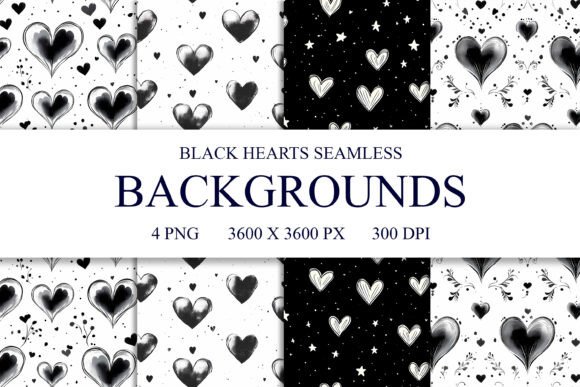
The Enduring Appeal of Charming Watercolor Heart Patterns in Digital Design
In the vast landscape of digital design, few elements possess the universal emotional resonance of a heart. However, not all hearts are created equal. While bold, geometric shapes convey strength and modernity, there is a distinct charm found in softer, more organic forms. This is where charming watercolor heart patterns come into play. These delicate designs bring a sense of warmth, nostalgia, and artistic flair to any project, making them a staple for designers, crafters, and content creators alike.
Today, we explore the significance of these specific digital assets—particularly high-resolution pastel watercolor heart patterns—and how they can elevate your creative work from ordinary to extraordinary. Whether you are designing a wedding invitation, a greeting card, or a social media graphic, understanding the value of high-quality, downloadable art is essential for achieving professional results.
Why Choose Watercolor Hearts?
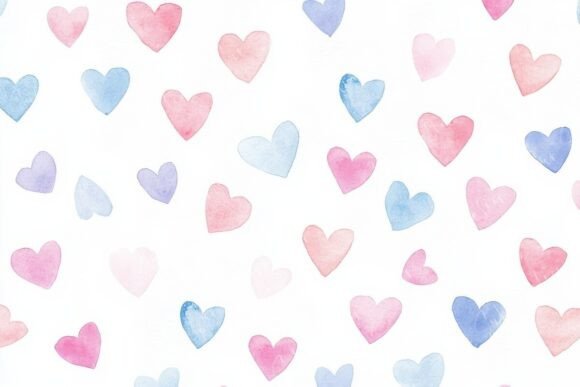
Watercolor as an artistic medium has long been associated with fluidity, emotion, and imperfection. Unlike vector graphics, which are crisp and precise, watercolor art captures the subtle bleeding of pigments and the texture of paper. When applied to a heart pattern, this medium creates a delightful pattern of pastel watercolor hearts on a white background that feels handcrafted and personal.
The choice of pastel colors further enhances this effect. Soft pinks, muted lavenders, gentle blues, and creamy yellows evoke feelings of calm, love, and tenderness. This makes such patterns particularly effective for:
- Romantic Themes: Valentine’s Day campaigns, anniversary gifts, and romantic branding.
- Baby and Nursery Decor: Creating soothing environments for infants with soft, non-aggressive visuals.
- Spring and Easter Collections: Aligning with seasonal themes of renewal and freshness.
- Wellness and Self-Care: Providing a visual anchor for brands focused on mental health and relaxation.
By incorporating these elements, designers can instantly communicate a mood without relying heavily on text. The visual language of pastel watercolor hearts speaks directly to the viewer’s sense of comfort and aesthetic appreciation.
The Importance of Resolution and Format
One of the most critical aspects of using digital assets in professional projects is resolution. A common mistake beginners make is downloading low-quality images from the internet, only to find them pixelated when printed or enlarged. To avoid this, it is crucial to source assets that meet professional standards.
Consider a high-quality asset specification: Size 4500 x 3000 pixels at a Resolution of 300 dpi. Let’s break down why these numbers matter.
Understanding DPI (Dots Per Inch)
DPI refers to the number of ink dots placed within one linear inch of an image. For screen display, 72 dpi is often sufficient. However, for any physical printing—whether it be a business card, a poster, or a fabric print—300 dpi is the industry standard. At this resolution, the human eye cannot distinguish individual pixels, resulting in a smooth, sharp, and professional-looking final product.
Pixel Dimensions and Scalability
A dimension of 4500 x 3000 pixels provides ample space for large-format printing. This size allows you to create wide banners, large wall art, or detailed packaging designs without losing clarity. It offers flexibility, enabling you to crop the pattern for different layouts while maintaining high fidelity.
JPEG Format Benefits
The JPEG format is widely compatible across various software platforms, including Adobe Photoshop, Illustrator, Canva, and Microsoft PowerPoint. It supports millions of colors, which is essential for capturing the subtle gradients and nuances of watercolor textures. Furthermore, JPEG files are compressed, meaning they are smaller in file size compared to uncompressed formats like TIFF, making them easier to manage and transfer.
Digital Assets vs. Physical Products
In the modern creative economy, the distinction between digital and physical products is vital. When purchasing a charming watercolor heart pattern, it is important to understand that you are buying a digital download, not a physical item. There is no shipping cost, no waiting period for delivery, and no risk of damage during transit.
Upon completion of your purchase, you will receive access to a zipped file. This compression technique ensures that multiple files, if included, are bundled neatly for easy extraction. Once unzipped, you have immediate access to your high-resolution image, ready to be integrated into your workflow. This immediacy is a significant advantage for last-minute projects or spontaneous creative bursts.
However, because this is a digital product, there are no returns or refunds once the file is downloaded. Therefore, reviewing the preview images and specifications carefully before purchasing is highly recommended.
Color Accuracy: Screen vs. Print
One of the most frequent challenges in digital design is color management. You may notice a disclaimer in many online stores stating: "Please take into consideration the colors you view on the screen will vary from the actual colors on the printed product."
This statement is not an excuse for poor quality; it is a reflection of technological reality. Every gadget monitor displays colors differently due to variations in hardware, calibration settings, and ambient lighting. An LCD screen might render a pink hue as slightly brighter than an OLED screen. Additionally, the type of paper used for printing significantly affects color outcome. Glossy paper will make colors pop, while matte paper will absorb some of the vibrancy, resulting in a softer look.
To mitigate this issue, professional designers often use color profiles (such as CMYK for print) when preparing their files. If you are creating a project that requires precise brand colors, it is advisable to print a small test page before committing to a large-scale production. Understanding this variability helps set realistic expectations and ensures that the final output aligns with your creative vision.
Practical Applications for Your Creative Projects
Now that we have established the technical merits of this asset, let’s look at how you can practically apply a delightful pattern of pastel watercolor hearts on a white background in your daily activities and business endeavors.
Stationery and Greeting Cards
The stationery market is evergreen. With the rise of personalized gifts, custom greeting cards are in high demand. Using this pattern as a background allows you to overlay elegant typography for birthdays, thank-you notes, or holiday messages. The white background ensures that text remains legible while the hearts add a decorative touch.
Social Media Content
Content creators need fresh visuals regularly. This pattern can serve as a backdrop for Instagram posts, Pinterest pins, or Facebook covers. The repeating nature of the pattern works well for story backgrounds, providing a consistent aesthetic for your brand feed. Because the file is high-resolution, you can zoom in on specific sections of the hearts to create unique close-up graphics.
Wedding and Event Invitations
Weddings often lean towards romantic and soft aesthetics. Pastel watercolor hearts are perfect for save-the-dates, invitations, and reception signage. They convey love and celebration without being overly cliché, especially when paired with gold foil accents or minimalist fonts.
Product Packaging
If you sell handmade goods, such as candles, soaps, or chocolates, this pattern can be used for wrapping paper, tags, or box liners. It adds a premium, artisanal feel to your product, suggesting that care and attention have gone into every detail.
Educational Materials
Teachers and educators can utilize this pattern to create engaging worksheets, certificates, or classroom decorations. The playful yet sophisticated nature of the design appeals to students of various ages, making learning materials more inviting.
Building Your Digital Library
Investing in high-quality digital assets is a smart strategy for anyone involved in creative work. Instead of spending hours trying to replicate watercolor effects digitally—which can be time-consuming and technically challenging—you can acquire professionally made patterns instantly. This frees up your time to focus on the strategic and communicative aspects of your design.
By keeping a library of versatile patterns like this charming watercolor heart design, you ensure that you are always prepared for upcoming trends and seasonal demands. Whether it is February for Valentine’s Day or March for St. Patrick’s Day (if the pastels include green), having these resources on hand allows you to pivot quickly and capitalize on timely opportunities.
Conclusion
The charming watercolor heart pattern described here is more than just a pretty picture; it is a powerful tool for communication and expression. Its combination of high resolution (4500 x 3000 pixels), professional format (JPEG, 300 dpi), and timeless aesthetic makes it a valuable addition to any designer’s toolkit. By understanding the technical specifications and practical applications, you can leverage this asset to create meaningful connections with your audience.
Remember to respect the nuances of digital viewing versus physical printing, and always prioritize high-quality sources for your creative needs. Thank you for visiting our store and exploring the possibilities of digital art. We hope this delightful pattern inspires your next great creation.