Blue Winter Knit Sweater Patterns: A Practical Guide to Seamless Digital Design
The intersection of cozy aesthetics and digital precision is where Blue Winter Knit Sweater Patterns truly shine. For creators, hobbyists, and small business owners alike, the demand for high-quality, seasonal design assets has never been higher. Whether you are a blogger looking to refresh your winter-themed content, a stationery designer preparing holiday collections, or an entrepreneur crafting unique gift wrap, having access to reliable, high-resolution textures is essential. However, navigating the market for digital paper packs can be tricky. Many users overlook critical details regarding file specifications, licensing, and usability, leading to frustrated workflows and subpar final products.
This guide aims to cut through the noise. We will explore what makes this specific collection of 12 seamless patterns valuable, discuss common pitfalls in selecting digital assets, and provide practical advice on how to maximize their potential in your projects. By understanding the technical nuances behind files like these, you can ensure your designs look professional, print crisply, and resonate with your audience.
Understanding the Asset: More Than Just a Pretty Picture
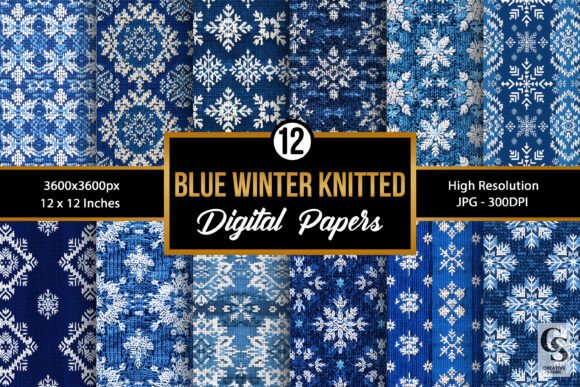
At its core, a digital paper pack is a collection of scanned or digitally created images designed to mimic physical textures. The Blue Winter Knit Sweater Patterns set stands out because it offers 12 distinct variations within a single zip file. This variety allows for cohesive yet dynamic design layouts without needing to source multiple disparate files. But the real value lies in the technical specifications that support these visuals.
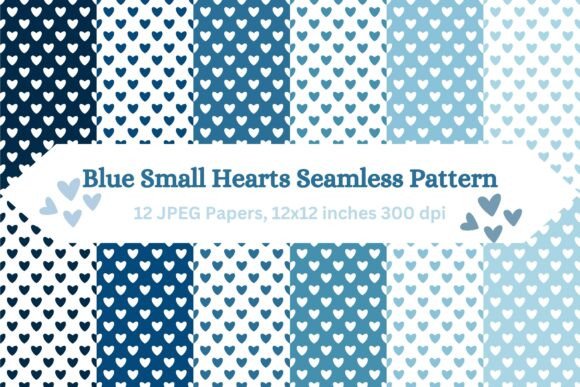
Many beginners assume that any image labeled "digital paper" will work for printing. This is a dangerous assumption. The key differentiator here is the resolution. These files are provided in High-Resolution 300dpi (dots per inch) at a size of 3600 x 3600 pixels (or 12″ x 12″). Why does this matter? In the world of print production, 300dpi is the industry standard for sharp, clear output. If you were to use a lower-resolution web image (typically 72dpi) for a printed greeting card, the result would be pixelated and blurry. By choosing assets with verified high resolution, you protect your reputation as a creator who delivers quality.
Common Mistakes in Using Digital Paper Packs
Even with excellent assets, errors can occur during the application phase. Here are three frequent mistakes that can undermine your project’s success, along with strategies to avoid them.
1. Ignoring Seamless Tiling Requirements
The product description highlights that these are Seamless Patterns. This means the edges of the image are designed to tile perfectly, creating an endless texture without visible lines. A common error occurs when designers treat these images as simple background photos rather than repeating tiles. If you place one 12x12 inch image over an 8.5x11 inch page, you might not notice the seamlessness. However, if you are creating a full-wallpaper background, a tumbler wrap, or a large-scale scrapbook spread, the pattern must repeat flawlessly.
Practical Advice: Before starting your layout, test the tile function in your design software. Ensure that the pattern repeats horizontally and vertically without breaking the knit texture’s flow. If you are using these for Tumbler Wraps or Notebook Covers, pay close attention to how the pattern aligns at the seams of the object.
2. Overlooking Color Profile Discrepancies
Digital screens display color in RGB (Red, Green, Blue), while printers use CMYK (Cyan, Magenta, Yellow, Key/Black). While JPG files are typically saved in RGB, converting them to CMYK for print can sometimes shift colors, making blues appear duller or grayer. Blue, in particular, can be sensitive to this conversion.
Practical Advice: Always check the color profile before exporting your final design for print. If you are sending files to a professional printer, ask them about their preferred color settings. For home printing, do a test print on the same paper stock you intend to use for the final project. This helps you gauge how the Blue Winter tones will translate from screen to paper.
3. Misjudging Scale and Proportion
A 12x12 inch image at 300dpi contains a significant amount of detail. When scaling this down for a small Greeting Card or a planner sticker, the intricate knit texture might become too busy or indistinct. Conversely, scaling it up for a Wall Art piece requires ensuring the software interpolates the image correctly to maintain clarity.
Practical Advice: Use vector-based design tools whenever possible, or ensure your raster editor is set to preserve maximum quality during resizing. For small items like Invitations or Stationery, consider cropping the pattern to focus on a specific area of the knit texture rather than using the entire square. This creates a more intentional and polished look.
Maximizing Versatility Across Projects
The beauty of the Blue Winter Knit Sweater Patterns lies in their adaptability. They are not limited to just one type of craft. Here is how different professionals can leverage these assets effectively:
- Small Business Owners: Use the 12 variations to create a cohesive holiday collection. Mix and match the blue shades across Gift wrapping, Tags, and Boxes to build brand recognition. The uniformity of the knit theme ties the products together professionally.
- Educators and Hobbyists: These patterns are perfect for Scrapbook Decorations and Journals. The warm, wintery aesthetic adds a personal touch to memory-keeping projects. Because the files are high-resolution, even detailed cutting machines (like Cricut or Silhouette) can handle them with ease.
- Marketers and Bloggers: Create eye-catching headers for winter-themed blog posts or social media graphics. The Backgrounds Wallpapers aspect of these files ensures that text overlays remain readable against the textured backdrop, provided you choose the right contrast.
- DIY Enthusiasts: For Tumbler Wraps and Notebook Covers, the seamless nature of the pattern is crucial. It allows for a continuous design that wraps around objects seamlessly, giving a custom-made appearance that elevates the perceived value of handmade gifts.
What to Check Before You Download
While this specific pack comes well-specified, always practice due diligence when acquiring digital assets. First, verify the file format. The inclusion of JPG files is standard for broad compatibility, but ensure your software supports the resolution provided. Second, check the licensing terms. Most digital paper packs allow for personal and commercial use, but some may restrict resale of the raw files themselves. Always read the fine print to understand if you can sell products made with these patterns.
Finally, consider your storage and organization. A zip file containing 12 high-resolution images can take up significant space. Organize your folders by project type—such as "Holiday Cards," "Planner Inserts," or "Product Mockups"—to streamline your workflow. Having a structured system prevents the frustration of hunting for the right shade of blue when you are in the middle of a creative rush.
Conclusion
Investing in high-quality design assets like the Blue Winter Knit Sweater Patterns set is an investment in the quality of your final output. By understanding the technical requirements—resolution, tiling, and color management—you can avoid common pitfalls and produce professional-grade results. Whether you are crafting a heartfelt Greeting Card for a loved one or designing a commercial line of Stationery, these seamless patterns offer a versatile foundation for your creativity. Take the time to test, organize, and experiment, and you will find that the effort pays off in both efficiency and satisfaction.