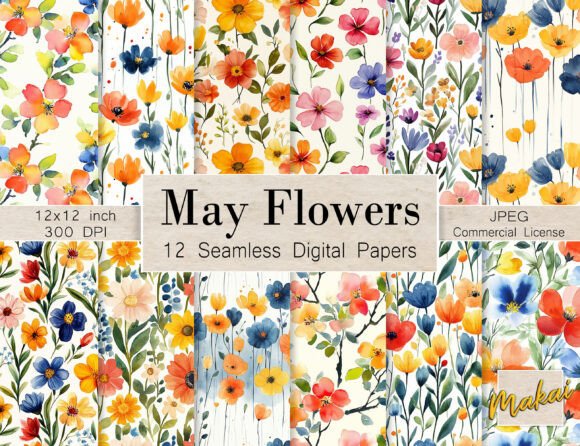
Unlocking the Potential of 12 Seamless Patterns Watercolor Flowers for Creative Design
In the rapidly evolving landscape of digital design, the demand for authentic, high-quality visual assets has never been greater. Among the vast array of resources available to creators, 12 Seamless Patterns Watercolor Flowers stands out as a versatile and aesthetically pleasing solution for those seeking to infuse their projects with natural elegance. This collection is not merely a set of images; it is a comprehensive toolkit designed to elevate everything from packaging design to textile manufacturing. By combining the soft, organic feel of watercolor artistry with the technical precision of seamless digital tiling, these patterns offer a unique bridge between traditional artistic expression and modern commercial application.
The allure of floral motifs in design is timeless. They evoke feelings of growth, renewal, and beauty, making them particularly effective in springtime campaigns, wedding invitations, and lifestyle branding. However, integrating these elements into professional workflows requires more than just finding a pretty picture. It demands assets that are technically robust, visually consistent, and adaptable across various mediums. The specific attributes of this collection—ranging from its resolution to its file format—address these critical needs, ensuring that designers can work efficiently without compromising on quality.
Technical Specifications and Quality Standards
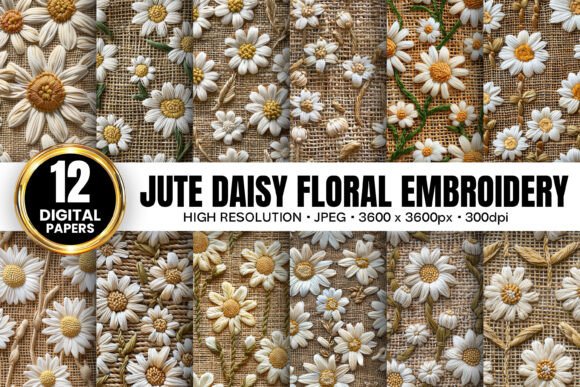
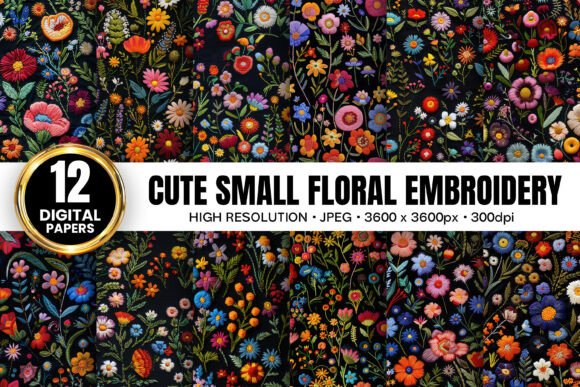
Before diving into the creative applications, it is essential to understand the technical foundation that makes these patterns so valuable. In professional design, the difference between a good result and a great one often lies in the details of the file specifications. The 12 Seamless Patterns Watercolor Flowers collection is built on a foundation of high-resolution data, specifically sized at 3600 x 3600 pixels. This substantial dimension ensures that the patterns remain crisp and clear even when scaled up for large-format prints, such as wall murals, banners, or fabric rolls.
Furthermore, the resolution is locked at 300 dpi (dots per inch). This is the industry standard for print production. When working with low-resolution assets, designers often face pixelation or blurriness when the image is enlarged. By providing files at 300 dpi, this collection eliminates that risk, allowing for immediate use in print-ready layouts. The format is specified as Jpeg, which offers a balance between file size manageability and visual fidelity. While some advanced workflows might prefer TIFF or PSD files for layer editing, Jpeg remains the most universally compatible format for quick integration into Adobe Photoshop, Illustrator, Canva, and other popular design software.
Each pattern comes with an included digital paper component, also sized at 12 x 12 inches. This dual-component approach provides flexibility. Designers can use the full 3600-pixel version for background textures or the 12x12 inch version for smaller, focused elements like badges, icons, or scrapbooking accents. This versatility means that a single purchase can serve multiple roles within a project lifecycle, from concept sketching to final production.
The Aesthetic Appeal of Watercolor Florals
Why choose watercolor over vector graphics or photographic overlays? The answer lies in the emotional resonance of the medium. Watercolor art is characterized by its fluidity, transparency, and subtle variations in color saturation. These qualities mimic the way nature actually presents flowers, where petals are rarely uniform and shadows are soft and diffused. The May Flowers collection captures this essence perfectly, featuring a colorful array of cheerful florals in both soft pastels and bold brights.
This variety allows for a wide range of stylistic interpretations. Soft pastel blooms are ideal for creating gentle, romantic, or minimalist designs. They work exceptionally well in nursery decor, bridal stationery, and wellness branding, where the goal is to evoke calm and serenity. On the other hand, the bold brights inject energy and vibrancy into a composition. These colors are perfect for summer sales, children’s products, and dynamic social media graphics that need to grab attention immediately.
The "seamless" nature of these patterns is another critical aesthetic feature. A seamless pattern repeats itself in a way that is invisible to the naked eye. This creates the illusion of an endless field of flowers, which is far more immersive than simply placing a single bouquet in a corner. For designers, this means they can cover entire surfaces—whether it’s the back of a shirt, the wrap of a chocolate box, or the wallpaper of a virtual room—without worrying about awkward edges or visible repetition lines. The result is a cohesive, professional-looking design that feels intentional and polished.
Practical Applications Across Industries
The utility of 12 Seamless Patterns Watercolor Flowers extends far beyond simple decoration. Its adaptability makes it a valuable asset across numerous industries. Understanding these use cases can help creators maximize the value of their digital assets.
- Packaging Design: In the consumer goods sector, shelf appeal is paramount. Floral patterns can transform plain boxes into premium products. Imagine a skincare brand using soft pink watercolor roses to convey natural ingredients, or a tea company using vibrant botanicals to suggest freshness. The high resolution ensures that fine details on the packaging are legible and attractive, enhancing the perceived value of the product.
- Fabric and Textile Design: The fashion and home decor industries rely heavily on repeat patterns. Whether designing a scarf, a curtain, or a rug, the 3600x3600 pixel size provides ample data for textile printers. The seamless nature of the patterns ensures that when the fabric is cut and sewn, the design continues uninterrupted, maintaining its integrity throughout the garment or furnishing.
- Stationery and Paper Goods: From greeting cards to letterheads, floral themes are evergreen. The included 12x12 inch digital papers are perfect for scrapbooking enthusiasts and indie stationery makers. They can be used as backgrounds for text, combined with other elements to create collages, or printed directly as decorative paper for gift wrapping.
- Digital Marketing and Social Media: In the digital space, visuals must be engaging yet lightweight enough for fast loading. Jpeg formats strike this balance. Designers can use these patterns as backgrounds for Instagram stories, Pinterest pins, or website headers. The seamless quality allows for creative cropping and framing, enabling marketers to create unique thumbnails without needing custom photography for every post.
- Product Labels: Small-scale businesses, such as boutique candle makers or artisanal jam producers, often struggle with label design. Using these floral patterns can instantly give a handmade product a professional, store-bought look. The ability to scale the pattern down while retaining clarity is crucial for small labels where detail is key.
Workflow Integration for Creators
Integrating these patterns into a daily workflow requires a strategic approach to ensure efficiency and consistency. For professionals using Adobe Creative Cloud, the first step is typically importing the Jpeg files into a library or folder structure that aligns with current projects. Because the files are high-resolution, it is advisable to keep the originals in a secure backup location and work with linked or embedded versions depending on the project requirements.
When creating a seamless pattern in software like Photoshop, users can utilize the "Define Pattern" feature. This converts the imported image into a tileable unit. Designers can then apply this pattern to layers, using blend modes such as "Multiply" or "Overlay" to integrate the floral elements with underlying textures or colors. This technique adds depth and complexity to the design, moving beyond flat repetition. For instance, overlaying a dark blue watercolor floral pattern on a white background using the Multiply mode will preserve the white highlights while tinting the darker areas, creating a sophisticated, layered effect.
For those using vector-based software like Illustrator, the process involves placing the raster image and tracing it if a fully scalable vector output is needed. However, given the high resolution of the source files, many designers find that keeping the pattern as a high-res raster element is sufficient, especially for print jobs where the final output will be processed at 300 dpi anyway. This saves processing time and preserves the nuanced brushstrokes of the original watercolor art.
Considerations for Best Results
While the 12 Seamless Patterns Watercolor Flowers collection is robust, there are considerations to keep in mind to achieve the best outcomes. Color management is one such factor. Since the files are in Jpeg format, they typically use the sRGB color profile. If a designer is working on a project intended for offset printing, which uses CMYK color spaces, it is crucial to convert the document to CMYK before final export. This conversion may slightly alter the vibrancy of the bright colors, so a proofing stage is recommended to ensure the final print matches the screen preview.
Another consideration is the context of the design. Watercolor florals have a distinct personality. They pair well with serif fonts, handwritten scripts, and clean, minimalist layouts. Over-cluttering a floral pattern with too much text or competing graphic elements can dilute the impact of the design. It is often more effective to let the pattern speak for itself, using negative space to allow the eyes to rest and appreciate the intricate details of the blooms.
Additionally, copyright and licensing should always be reviewed. While this collection is designed for commercial use, understanding the specific terms of usage ensures that designers remain compliant with intellectual property laws. Typically, these types of digital asset packs allow for unlimited commercial projects, but verifying this protects both the creator and the business owner.
Conclusion
The 12 Seamless Patterns Watercolor Flowers collection represents a significant opportunity for designers, artists, and business owners to enhance their visual communication. By combining technical excellence with artistic charm, these patterns provide a reliable foundation for creating stunning designs across a wide spectrum of applications. From the tactile experience of printed packaging to the digital engagement of social media content, the ability to seamlessly integrate beautiful, high-resolution floral art adds a layer of professionalism and appeal that resonates with audiences. As trends continue to favor organic, hand-crafted aesthetics, having access to such versatile and high-quality assets is not just an advantage—it is a necessity for staying competitive in the creative market.