Clay Texture 3D Daisy Flower Patterns: Elevate Your Craft Projects with Seamless Digital Designs
In the world of digital crafting and design, finding high-quality assets that blend modern aesthetics with timeless charm is essential for creating professional-looking results. For hobbyists, scrapbookers, and small business owners alike, the search often leads to a specific type of visual asset: Clay Texture 3D Daisy Flower Patterns. These designs offer a unique intersection of tactile realism and whimsical floral beauty, providing a versatile foundation for everything from personal stationery to commercial product packaging.
Whether you are looking to refresh your home decor or create bespoke gifts, understanding how to leverage these seamless patterns can significantly enhance the quality and appeal of your final projects. This guide explores what these patterns are, why they are in high demand, and how you can effectively integrate them into your creative workflow.
Understanding Clay Texture 3D Daisy Flower Patterns
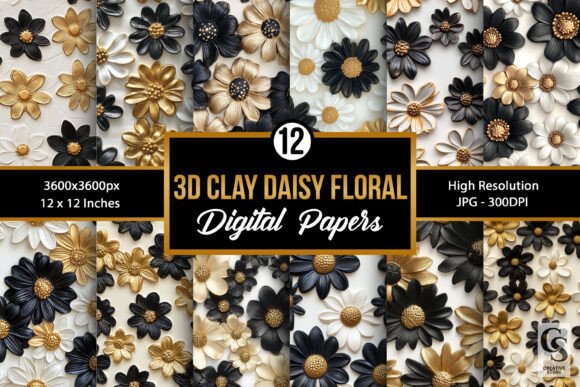
At its core, a Clay Texture 3D Daisy Flower Pattern is a digital image file designed to mimic the appearance of three-dimensional daisies crafted from modeling clay. Unlike flat vector graphics or standard photographs, these textures incorporate depth, shadow, and surface irregularities that give the impression of physical material. The "seamless" aspect of the pattern is crucial; it means the design repeats perfectly without visible breaks, allowing it to cover large surfaces uniformly.
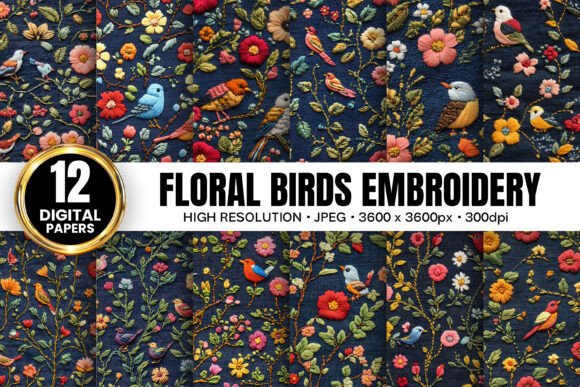
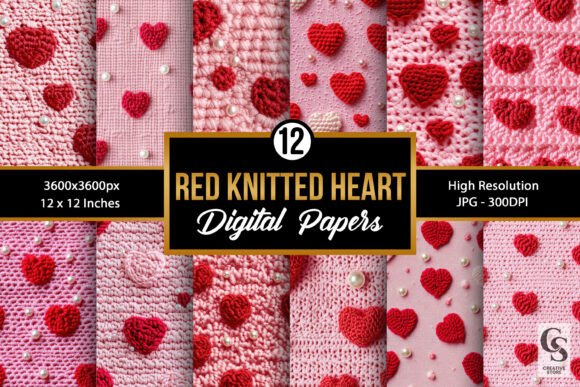
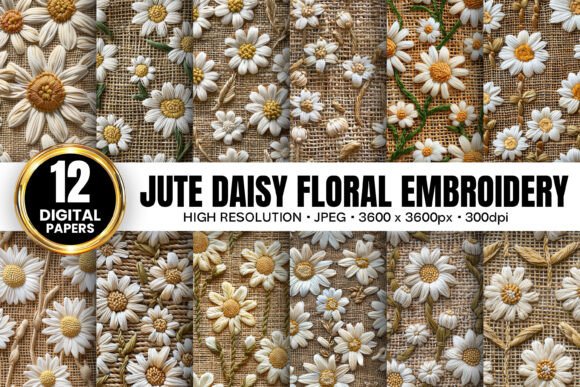
The inclusion of twelve distinct variations within a single package offers a curated selection of styles. Each pattern captures the delicate nature of daisies while applying the earthy, matte finish characteristic of polymer or air-dry clay. This combination creates a soft, inviting aesthetic that resonates well with audiences who appreciate handmade, artisanal vibes. The files are provided as high-resolution JPGs at 300dpi, ensuring that whether you print them on paper or use them digitally, the clarity remains sharp and crisp.
Addressing Common Crafting Challenges
Many crafters face specific challenges when sourcing materials for their projects. One of the most frequent issues is the lack of consistency in digital backgrounds. When assembling a planner or designing a greeting card, mismatched colors or low-resolution images can detract from the overall professionalism of the piece. Another common hurdle is the time-consuming process of creating custom backgrounds from scratch, especially for those who may not have advanced graphic design skills.
Clay Texture 3D Daisy Flower Patterns directly address these pain points by offering ready-to-use, high-fidelity solutions. By utilizing pre-made seamless patterns, creators bypass the need for complex illustration software or extensive photo editing. The 12″ x 12″ resolution (3600 x 3600 pixels) provides ample space for detailed work, ensuring that text overlays, photos, and other elements can be placed comfortably without compromising the integrity of the background.
Practical Applications for Creatives
The versatility of these digital papers makes them suitable for a wide array of applications. Below are several practical ways users can implement Clay Texture 3D Daisy Flower Patterns in their daily creative lives.
Stationery and Paper Goods
One of the most popular uses for these patterns is in the creation of personalized stationery. Because the daisy motif is universally loved and associated with spring, warmth, and simplicity, it fits seamlessly into various themes.
- Greeting Cards: Use the patterns as full-page backgrounds or borders. The 3D texture adds a layer of sophistication that plain color cannot achieve.
- Invitations: Perfect for baby showers, bridal showers, or birthday parties where a gentle, organic feel is desired.
- Notebook Covers: Print the patterns on cardstock to create custom covers for journals or planners. The durability of the printed material combined with the visual depth of the clay texture creates a premium feel.
Digital Planning and Organization
For the growing community of digital planners, these patterns serve as excellent backdrop pages. Users can import the JPG files into apps like GoodNotes or Notability to create visually pleasing digital notebooks. The seamless nature of the design allows for continuous scrolling backgrounds, enhancing the user experience.
Home Decor and Wall Art
Beyond paper crafts, these high-resolution files are ideal for home decoration. You can create wall art by printing the patterns on canvas or high-quality matte paper. The 3D effect of the daisies catches the light beautifully, adding dimension to any room. Additionally, these patterns can be used to wrap tumblers or water bottles using adhesive vinyl, turning plain items into unique, personalized accessories.
Scrapbooking and Memory Keeping
Scrapbookers often struggle to find paper that complements both photos and journaling spaces without overwhelming them. The muted tones and realistic textures of Clay Texture 3D Daisy Flower Patterns provide a neutral yet interesting canvas. They allow family photos to stand out while adding a cohesive theme to the page layout.
How Different Users Approach Implementation
Different types of creators will interact with these assets in distinct ways, depending on their goals and technical comfort levels.
The DIY Enthusiast: For individuals who enjoy hands-on crafting, the primary approach involves printing the digital papers at home or through a local print shop. They might use scissors, glue, and die-cutting machines to transform the flat digital files into physical objects. The focus here is on the tactile satisfaction of creating something tangible. Considerations include choosing the right paper weight and finishing techniques, such as laminating, to protect the print.
The Digital Designer: Freelancers and graphic designers may use these patterns as components within larger compositions. They might overlay typography, icons, or other graphical elements to create marketing materials, social media graphics, or e-book covers. For this group, the high resolution is critical, as they need to scale the images up or down without pixelation. They also value the ease of licensing and the immediate availability of the files in a zip format.
The Small Business Owner: Entrepreneurs selling handmade goods can utilize these patterns to add value to their products. For instance, a seller of candle labels or soap tags can use the daisy patterns to create branded packaging. The key consideration here is consistency; using the same set of patterns across different product lines helps build brand recognition.
Recommendations for Best Results
To get the most out of your Clay Texture 3D Daisy Flower Patterns, consider the following tips:
- Check Your Printer Settings: If printing at home, ensure your printer is set to "High Quality" or "Photo" mode to capture the subtle details of the clay texture. Using genuine ink cartridges will prevent banding or color shifts.
- Layering Techniques: Don't be afraid to layer elements. Place a semi-transparent white box over the pattern if you are adding text, ensuring readability while maintaining the aesthetic appeal.
- Color Coordination: While the daisy patterns are likely neutral, check the undertones. Some clay textures may lean warm (yellow/orange) or cool (blue/green). Match your other craft supplies, such as ribbons or stickers, to these undertones for a harmonious look.
- File Management: Since all twelve files come in one zip archive, organize them into folders by style or color before you begin your project. This saves time and keeps your workspace tidy.
Conclusion
Integrating Clay Texture 3D Daisy Flower Patterns into your creative projects offers a simple yet effective way to elevate your output. Whether you are designing a heartfelt greeting card, organizing your life in a beautiful planner, or branding your small business, these seamless digital papers provide the perfect blend of charm and professionalism. With high-resolution quality and diverse applications, they are an invaluable resource for anyone looking to add a touch of handmade elegance to their work. By understanding how to apply these textures thoughtfully, you can turn ordinary materials into extraordinary creations.