Jute Daisy Flowers Embroidery Patterns: Elevating Digital Craft with Seamless Design
In an era where digital creation meets tactile tradition, the intersection of embroidery aesthetics and seamless pattern design has become a powerful tool for creators. Jute Daisy Flowers Embroidery Patterns represent more than just a visual motif; they embody a shift toward organic, textured, and nostalgic design elements that resonate deeply in both personal projects and commercial applications. As we move further into a market saturated with sleek, minimalist digital imagery, there is a growing appetite for designs that feel handmade, warm, and grounded. This article explores how these specific patterns are redefining workflows for designers, crafters, and small business owners, offering a practical guide to integrating high-quality digital assets into modern creative practices.
The Rise of Textural Authenticity in Digital Design
Why are jute textures and daisy motifs gaining traction? The answer lies in the human desire for authenticity. In a world dominated by AI-generated graphics and polished stock photography, consumers are increasingly drawn to visuals that mimic the imperfections and warmth of handcrafted items. Jute, a natural fiber known for its coarse texture and earthy tones, combined with the delicate, cheerful nature of daisies, creates a visual contrast that is both rustic and refined.
This aesthetic aligns perfectly with current trends in lifestyle branding, stationery design, and home decor. It appeals to audiences who value sustainability, slow living, and artisanal quality. For professionals in marketing and branding, incorporating Jute Daisy Flowers Embroidery Patterns allows them to tap into this emotional resonance without the logistical challenges of physical production. By using digital files that replicate the look of embroidered fabric on jute, brands can maintain consistency across print and digital media while evoking a sense of comfort and reliability.
Understanding the Product: High-Resolution Digital Assets
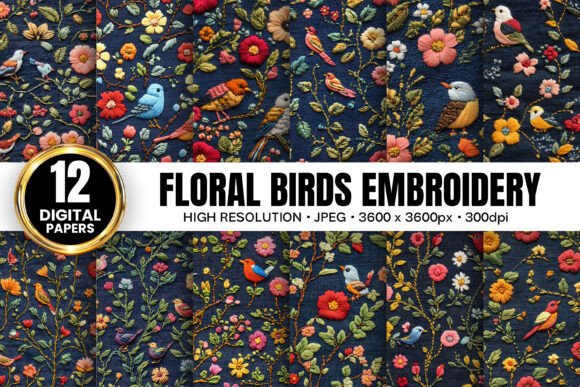
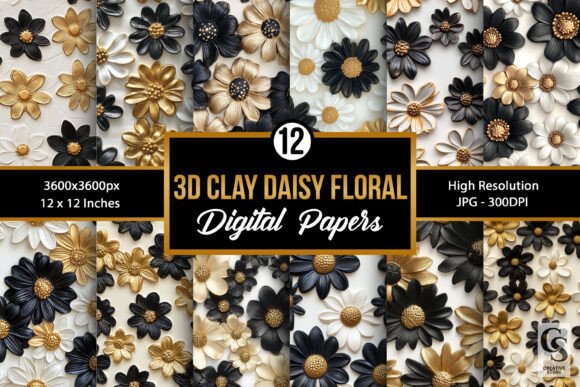
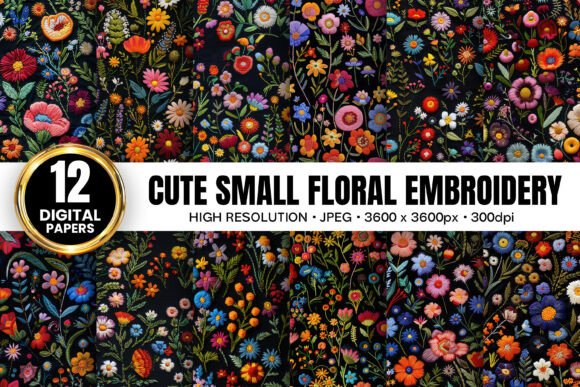
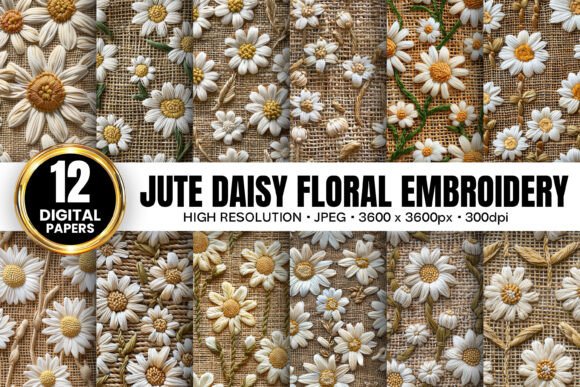
To fully leverage these patterns, it is essential to understand the technical specifications that make them viable for professional use. The core offering consists of 12 distinct high-resolution digital papers contained within a single ZIP file. These are not low-resolution placeholders but robust assets designed for serious creative work.
- 300 DPI Quality: Every file is provided at 300 dots per inch (DPI). This is the industry standard for high-quality printing. Whether you are producing a glossy magazine insert or a matte greeting card, 300 DPI ensures that the intricate details of the "embroidered" stitches and the weave of the jute remain crisp and clear, avoiding pixelation or blurriness.
- Ideal Dimensions: Each image is sized at 3600 x 3600 pixels, which translates to 12″ x 12″ at 300 DPI. This square format is particularly versatile. It is the standard size for scrapbooking paper, making it instantly compatible with many layout templates. However, its resolution also makes it suitable for larger prints when tiled or used as a background element.
- JPG Format Accessibility: Delivered in JPG format, these files are universally compatible. They can be opened in virtually any graphic design software, from Adobe Photoshop and Illustrator to Canva and Microsoft Publisher. This accessibility lowers the barrier to entry for hobbyists and freelancers who may not have access to complex vector-based workflows.
Practical Applications Across Creative Industries
The versatility of Jute Daisy Flowers Embroidery Seamless Patterns extends far beyond simple decoration. Here is how different user groups can integrate these assets into their workflows effectively.
For Stationery and Greeting Card Designers
The stationery market thrives on emotion and occasion. A jute-textured background with embroidered daisies immediately suggests themes of spring, birthdays, weddings, and thank-you notes. Designers can layer text over these backgrounds to create invitations or cards that look like they were physically crafted. The seamless nature of the pattern allows for easy tiling in design software, enabling the creation of custom-sized cards without visible seams. This is particularly useful for creating bulk orders for small businesses or Etsy shops, where consistency and speed are crucial.
For DIY Crafters and Junk Journal Enthusiasts
Junk journaling and mixed-media art are booming hobbies. Participants often seek ephemera—small decorative elements—that add depth to their pages. These digital papers can be printed at home on heavy cardstock or specialty paper to create stickers, tags, and page fillers. The jute texture provides a perfect backdrop for photos, handwritten notes, or pressed flowers, adding a layer of visual interest that flat colors cannot achieve. Furthermore, because the files are digital, users can experiment with color grading or overlays before committing to physical prints, reducing waste and material costs.
For Textile and Apparel Printers
While the files are raster images (JPG), their high resolution makes them suitable for direct-to-garment (DTG) printing or sublimation on smaller items. Imagine a tote bag, a tea towel, or a baby onesie featuring a repeating jute daisy pattern. The "embroidery" effect adds a faux-texture that mimics actual stitching, giving the garment a premium, boutique feel. For entrepreneurs in the custom apparel space, these patterns offer a quick way to test designs without investing in screen printing setups.
For Digital Planners and Journal Creators
The digital planning community continues to grow, with users seeking aesthetically pleasing backgrounds for iPad apps like GoodNotes or Notability. These 12″ x 12″ patterns serve as excellent cover pages or section dividers. The earthy tones of the jute and the softness of the daisies create a calming visual environment that reduces cognitive load, helping users stay focused on their tasks. Unlike bright, neon digital themes, this style promotes a sense of calm and organization.
Technical Considerations and Best Practices
When working with Jute Daisy Flowers Embroidery Patterns, it is important to manage expectations regarding color reproduction. As noted in the product description, actual colors may vary slightly due to monitor settings and printer capabilities. RGB screens display light, while printers use ink (CMYK or other pigment systems). To ensure the best results:
- Calibrate Your Monitor: If you are designing for print, use a calibrated monitor to get a closer approximation of how the colors will appear on paper.
- Proof Prints: Always run a test print on the specific paper stock you intend to use. Different papers absorb ink differently; a matte finish might mute the colors slightly, while a glossy finish could enhance vibrancy.
- Understand Limitations: Since these are digital representations of embroidery, they lack true physical dimension. When scanning or photographing physical products made from these prints, lighting plays a critical role in capturing the "texture." Soft, diffused lighting works best to highlight the simulated stitch details.
Integrating Patterns into Modern Workflows
The adoption of such digital assets reflects a broader trend in the creative economy: the democratization of high-end design tools. Previously, achieving a "handmade" look required skilled artisans and significant time investment. Now, through the use of well-crafted digital patterns, a solo entrepreneur can produce a collection of branded packaging, social media graphics, and product labels that rival those of larger companies.
This efficiency does not diminish the value of the final product; rather, it amplifies it by allowing creators to focus on strategy and customer experience. For example, a small business owner selling handmade candles can use these patterns for their labels and website headers, creating a cohesive brand identity that feels authentic and inviting. The seamless nature of the pattern ensures that branding remains consistent across various touchpoints, from unboxing experiences to online advertisements.
Conclusion: A Versatile Tool for the Modern Creator
Jute Daisy Flowers Embroidery Patterns are more than just a set of pretty images; they are functional tools that bridge the gap between digital convenience and analog charm. With 12 high-resolution, 300 DPI JPG files ready for immediate use, they offer immense value to anyone looking to add texture and warmth to their projects. Whether you are wrapping gifts, designing a junk journal, or launching a new line of custom apparel, these patterns provide a reliable foundation for creativity.
By understanding the technical strengths of these assets and applying them thoughtfully across various mediums, creators can produce work that stands out in a crowded marketplace. The key is to respect the source material’s aesthetic intent—earthy, delicate, and crafted—and to apply it with intention. As digital design continues to evolve, the ability to seamlessly blend traditional textures with modern technology will remain a valuable skill, and having access to high-quality resources like these is a significant step forward in that journey.