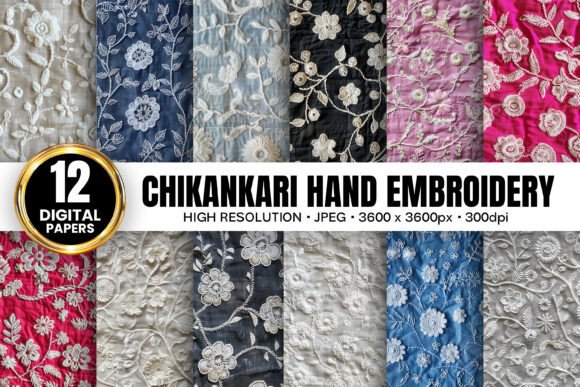
Revitalizing Traditional Craft: The Strategic Value of Chikankari Hand Embroidery Patterns in Digital Design
In an era where digital efficiency often overshadows artisanal heritage, there is a growing movement among designers, entrepreneurs, and creative professionals to bridge the gap between traditional craftsmanship and modern digital workflows. At the forefront of this intersection is the Chikankari Hand Embroidery Pattern. Originally rooted in the rich textile history of Lucknow, India, Chikankari is renowned for its delicate, shadow-work embroidery that transforms plain fabrics into intricate works of art. Today, high-resolution digital reproductions of these patterns are not merely decorative assets; they are powerful tools for brand storytelling, product differentiation, and aesthetic innovation across various industries.
For professionals ranging from freelance graphic designers to small business owners in the lifestyle sector, the ability to integrate authentic, culturally significant textures into digital projects is becoming a competitive advantage. This article explores how Chikankari Hand Embroidery Seamless Patterns are reshaping design landscapes, why they are gaining traction in both B2B and B2C markets, and how creators can leverage these assets to meet evolving consumer expectations for authenticity and quality.
The Renaissance of Artisanal Aesthetics in Digital Media
To understand the current relevance of Chikankari patterns, one must first look at the broader shift in consumer preferences. Modern audiences are increasingly skeptical of mass-produced, homogenized aesthetics. There is a palpable demand for products and designs that tell a story, evoke emotion, and demonstrate human touch—even when those products are digital or printed on demand. This trend, often referred to as "slow design," values provenance and technique over speed and volume.
Chikankari Hand Embroidery Patterns serve as a perfect vessel for this narrative. Unlike generic floral or geometric prints, Chikankari carries centuries of cultural weight. It symbolizes elegance, patience, and skill. When designers incorporate these patterns into their work, they are not just adding visual interest; they are invoking a sense of luxury and heritage. For marketers and brand strategists, this translates into higher perceived value. A greeting card, a piece of stationery, or a textile print featuring genuine Chikankari motifs stands out in a crowded marketplace because it feels unique and handcrafted, even if the production method is digital.
Bridging Tradition and Technology: The Role of High-Resolution Assets
The practical application of these traditional patterns relies heavily on technology. In the past, integrating such intricate designs into digital projects required scanning low-quality images or hiring specialized illustrators to recreate them from scratch—a process that was both time-consuming and expensive. Today, the availability of Chikankari Hand Embroidery Seamless Patterns in high-resolution formats has democratized access to this aesthetic.
The specific technical specifications available in modern digital packs—such as 300 DPI resolution and dimensions of 3600 x 3600 pixels (or 12″ x 12″)—are critical for professional use. These standards ensure that whether the pattern is used for large-format printing, web backgrounds, or detailed close-ups on apparel, the image remains crisp and free of pixelation. This level of quality is non-negotiable for professionals who need to deliver polished results to clients or customers. The transition from physical thread to digital pixels allows artisans’ work to reach a global audience without the logistical constraints of shipping physical textiles.
Practical Applications Across Industries
The versatility of these digital papers extends far beyond simple decoration. They are integral components in a wide array of creative workflows. Below, we explore how different sectors are leveraging these assets.
1. E-commerce and Print-on-Demand (POD)
For entrepreneurs running online stores, particularly in the niche of bohemian, ethnic, or luxury fashion, Chikankari patterns offer a distinct brand identity. These patterns are ideal for:
- Custom Apparel Prints: Applying the seamless texture to dresses, scarves, or tunics creates a cohesive look that appeals to consumers seeking ethnic chic.
- Textile and Fabric Design: Independent fabric designers can license or use these patterns to create collections that mimic the look of hand-embroidered linen or cotton, offering a more affordable alternative to customers.
- Tumbler Wraps and Home Decor: The seamless nature of the pattern allows for easy wrapping around cylindrical objects or repeating seamlessly on wall art, making it perfect for home goods brands.
2. Stationery and Greeting Card Industry
The stationery market is experiencing a resurgence driven by the desire for tactile, meaningful communication. Chikankari Hand Embroidery Patterns add a layer of sophistication to paper goods. They are particularly effective for:
- Greeting Cards Designing: Using these patterns as backgrounds for wedding invitations, bridal showers, or formal event cards elevates the perceived value of the card stock.
- DIY Crafts Stationery: Hobbyists and crafters use these digital papers for scrapbooking projects, creating custom journals, or designing junk journals. The intricate details provide a rich canvas for mixed-media artists.
3. Corporate and Personal Branding
Even in corporate settings, the demand for warm, inviting aesthetics is growing. Marketing materials that utilize soft, embroidered textures can soften the corporate image, making brands appear more approachable and community-focused. Furthermore, freelancers and consultants can use these patterns in their portfolios or website backgrounds to showcase an appreciation for art and culture, distinguishing themselves from competitors using sterile, minimalist templates.
Workflow Efficiency and Creative Freedom
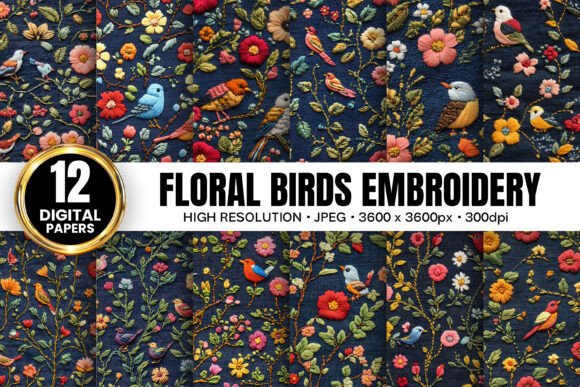
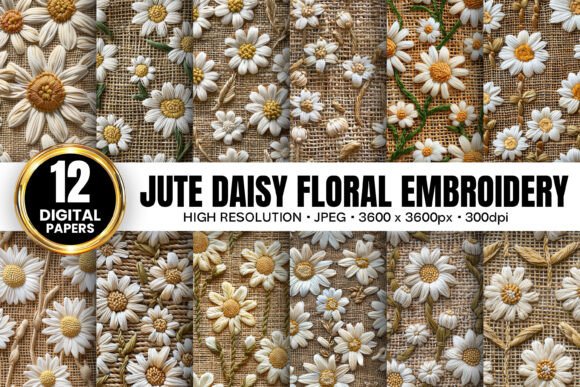
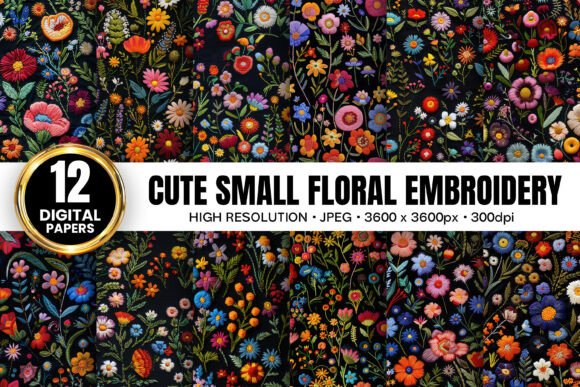
One of the most significant advantages of using pre-made digital pattern packs is the impact on workflow efficiency. For solo entrepreneurs and small teams, time is a scarce resource. Creating original vector illustrations or photographing physical textiles requires significant setup and post-processing time. By utilizing a curated pack of 12 High-Resolution Digital Papers, creators can immediately integrate complex textures into their projects.
This efficiency does not come at the cost of creativity. On the contrary, having high-quality base layers allows designers to focus on composition, typography, and color theory rather than getting bogged down in the minutiae of pattern creation. The files are provided in JPG format within a single ZIP file, ensuring easy organization and immediate accessibility. This streamlined process supports agile workflows, allowing professionals to respond quickly to client requests or seasonal trends.
Understanding the Product Specifications
When selecting digital assets for professional use, understanding the technical details is paramount. The product description highlights several key features that cater to professional standards:
- High Resolution (300 DPI): This ensures print-ready quality. Whether you are sending files to a professional printer or producing items via a POD service, 300 DPI prevents blurriness and jagged edges.
- Standard Dimensions (12″ x 12″ / 3600 x 3600 px): These dimensions are industry-standard for many design software applications, including Adobe Photoshop and Illustrator. They allow for easy scaling and tiling without losing aspect ratio integrity.
- JPG Format: While vector formats are preferred for some tasks, high-quality JPGs are universally compatible and lightweight enough for quick loading in web design or email marketing campaigns.
- Digital Delivery: As all items are digital products, there is no shipping wait time. Creators can download, install, and start designing instantly.
It is also important to note that actual colors may vary slightly due to monitor settings and printing methods. This is a standard disclaimer in the digital asset industry but serves as a reminder for professionals to always proof their designs before final production. Understanding color management protocols is part of maintaining professionalism in any design-related field.
Conclusion: Investing in Authenticity
The integration of Chikankari Hand Embroidery Patterns into digital design workflows represents more than just a trend; it is a strategic response to a market craving authenticity. By combining the timeless beauty of traditional Indian embroidery with the convenience of modern digital assets, professionals can create products that resonate deeply with consumers.
Whether you are designing a luxurious wedding invitation suite, launching a new line of ethical fashion, or simply enhancing your personal journaling practice, these seamless patterns offer a versatile and high-quality solution. They allow creators to honor artisanal traditions while embracing technological advancements, resulting in work that is both visually stunning and commercially viable. In a world saturated with digital noise, the subtle elegance of Chikankari provides a refreshing pause—a reminder that beauty lies in detail, history, and the human hand, even when mediated through a screen.