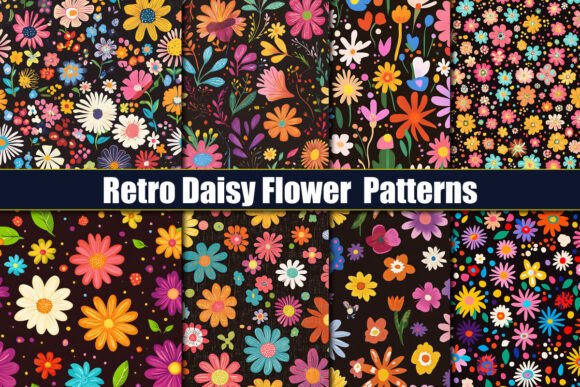
Empirical Floweret Surface Patterns: A Versatile Digital Design Resource
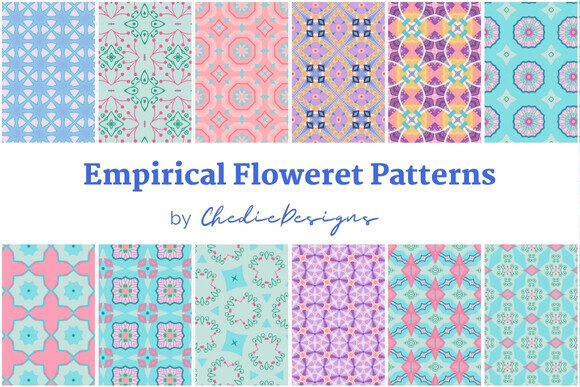
The world of design is constantly evolving, and with the rise of digital tools like Procreate, artists and creators now have access to a wealth of resources that were once limited to traditional methods. One such resource is the Empirical Floweret Surface Patterns collection, which offers 12 seamless patterns in high-resolution JPEG format (300 DPI, 3000x3000px). These patterns are not only visually appealing but also incredibly functional across a wide range of applications. In this article, we’ll explore what makes these surface patterns unique, how they can be used effectively, and why they're an essential tool for both beginners and seasoned designers.
What Are Empirical Floweret Surface Patterns?
Surface patterns are repeating designs that cover a flat area without visible seams or breaks. They’re commonly used in textiles, wallpapers, packaging, and more. The Empirical Floweret surface patterns are generated from a digital illustration created using Procreate, a powerful drawing application for iPad. This means the artwork has been meticulously crafted with attention to detail, flow, and color harmony before being converted into seamless tiling formats.
The term “empirical” suggests that the design process was based on observation and experimentation rather than pure theory. In this context, it likely refers to the artist’s approach—drawing inspiration from natural forms, testing compositions, and refining the final product through iterative feedback. The result is a set of patterns that feel organic yet structured, making them highly adaptable for various creative projects.
Why Seamless Patterns Matter in Modern Design
Seamless patterns are fundamental in many areas of visual design because they allow for consistent coverage without interruption. Whether you're designing a fabric print or a website background, the ability to tile a pattern infinitely without visible edges is crucial. This feature ensures that your final output looks polished and professional, regardless of the scale or medium.
In today’s digital-first world, having a library of high-quality seamless patterns can streamline workflows and enhance creativity. The Empirical Floweret collection provides just that—a ready-to-use set of patterns that can elevate your designs quickly and efficiently. Let's break down some of the key reasons why these patterns stand out:
- High Resolution: At 300 DPI and 3000x3000 pixels, each pattern is suitable for both digital and print use, ensuring crisp visuals even when scaled up.
- Versatility: These patterns work well in a variety of contexts—from wedding invitations to blog headers, and everything in between.
- Creative Freedom: Designed in Procreate, the collection benefits from the app’s intuitive tools and rich color palettes, offering a level of artistry that’s hard to replicate with generic templates.
Understanding the Value of Repeating Artwork
A common misconception about surface patterns is that they’re simple or repetitive. However, creating effective seamless patterns requires skill and understanding of balance, rhythm, and visual flow. Each pattern in the Empirical Floweret series demonstrates mastery in these areas, blending intricate floral elements with clean, repeatable structures.
For instance, one pattern might feature delicate petals arranged in a circular motif, while another could showcase bold, geometric flowers. These variations ensure that users can choose a pattern that aligns with their project's aesthetic, whether it's minimalist, vintage, or whimsical.
Applications of Empirical Floweret Surface Patterns
The beauty of the Empirical Floweret patterns lies in their adaptability. Here are several ways they can be applied in real-world scenarios:
Creating Backgrounds
Backgrounds are a staple in both digital and print design. For websites, blogs, and social media, a subtle floral pattern can add depth and warmth without overwhelming the content. In print, these patterns make excellent backdrops for greeting cards, brochures, and posters.
Example: A lifestyle blogger could use a soft, pastel-colored Floweret pattern as a background for their newsletter, giving it a fresh, inviting look that stands out from stock images.
Wedding and Party Decorations
Floral motifs are timeless in event design. The Empirical Floweret patterns offer a refined and elegant choice for wedding backgrounds, tablecloths, or party banners. Their seamless nature makes them ideal for wrapping favors, printing onto fabric for drapery, or even customizing cake boxes.
Example: A DIY wedding planner might use a dark-toned Floweret pattern as a base for printed invitations or as part of a backdrop for the ceremony, adding a touch of sophistication with minimal effort.
Decorative Paper and Scrapbooking
Scrapbooking and paper crafts thrive on texture and visual interest. These patterns provide a beautiful alternative to plain paper, helping crafters tell stories with more style. From memory books to handmade cards, the Floweret collection can bring a sense of cohesion and elegance to any project.
Example: A scrapbook designer could layer different Floweret patterns to create a textured page layout, enhancing the overall narrative and visual appeal of the book.
Packaging and Wrapping Paper
With the growing emphasis on aesthetics in retail and gifting, attractive packaging is no longer optional—it’s expected. Using floral surface patterns on gift wrap, boxes, or product labels can instantly elevate the perceived value of an item.
Example: A small business selling handmade candles could incorporate a Floweret pattern onto their box designs, creating a cohesive brand identity that feels personal and premium.
Printed Fabrics
Designing with fabric is a whole new dimension of creativity. These patterns are especially useful for textile designers who want to experiment with floral themes in clothing, home décor, or accessories. Because they’re high resolution and seamless, they translate well to fabric printing and sewing projects.
Example: A fashion student could use a vibrant Floweret pattern as a digital mockup for a dress design, allowing them to visualize the garment before moving to physical samples.
How to Use These Patterns Effectively
While the Empirical Floweret collection is easy to use, there are best practices to consider depending on the medium. Here are some tips for maximizing the potential of these patterns:
- Understand Your Project Needs: Before selecting a pattern, determine whether you need it for digital or print use. High-DPI files are perfect for print, but if you're working online, you may still prefer them for their clarity and quality.
- Layer Strategically: Don’t hesitate to combine multiple patterns within a single design. Layering different textures and colors can add depth and complexity to your work.
- Use Color Theory: Since the patterns come in various color schemes, think about how they complement your existing palette. Tools like Adobe Color can help you match hues for a harmonious design.
- Experiment with Scale: Try adjusting the size of the pattern to see how it affects the overall look. Sometimes, a larger scale can simplify a busy design, while smaller details can add charm and intricacy.
- Test Print Quality: If you plan to print the patterns, always test them on a small scale first. Printing conditions vary, and seeing how the pattern holds up physically can save time and materials later.
The Role of Technology in Pattern Design
Digital illustration software like Procreate has revolutionized the way artists create surface patterns. With pressure-sensitive stylus input and layers, it’s possible to achieve levels of detail and flexibility that traditional hand-drawn patterns couldn’t easily reach. The Empirical Floweret collection is a testament to how technology enhances artistic expression.
Moreover, the availability of these patterns in JPEG format makes them accessible to a broad audience. Unlike vector-based SVG files, JPEGs don’t require specialized software to open or edit. This accessibility is particularly beneficial for hobbyists, educators, and small businesses that may not have advanced graphic design tools at their disposal.
Integrating Patterns into Business and Education
Businesses often rely on branding to stand out in competitive markets. Floral surface patterns can play a role in reinforcing a brand’s identity—especially in industries like fashion, home goods, and wellness. The Empirical Floweret patterns, with their refined and versatile styles, offer a great starting point for developing branded materials.
In education, these patterns can serve as valuable learning tools. Students studying graphic design, textile arts, or digital illustration can analyze how the patterns are constructed, how colors interact, and how repetition influences visual perception. Teachers can assign projects where students recreate or modify the patterns to understand design principles firsthand.
Common Misconceptions About Surface Patterns
Despite their widespread use, there are still misconceptions about surface patterns, especially among newcomers to the field. Let’s address a few of them:
- Misconception #1: All patterns are the same. Reality: The difference between a good pattern and a great one lies in its composition, color balance, and how it interacts with other design elements. The Empirical Floweret collection showcases a thoughtful blend of all three.
- Misconception #2: Seamless patterns are hard to create. Reality: While mastering the technique takes practice, using pre-made seamless patterns like those in this collection eliminates the guesswork and allows you to focus on the bigger picture of your project.
- Misconception #3: Patterns are only for decorative purposes. Reality: When used correctly, patterns can guide the viewer’s eye, create hierarchy, and even evoke emotions. A well-chosen floral pattern can subtly convey themes of growth, renewal, and elegance.
Why Choose Empirical Floweret Over Generic Alternatives?
Generic floral patterns are abundant online, but they often lack originality or fail to meet specific project requirements. The Empirical Floweret collection, by contrast, is designed with intention and precision. Here are some advantages of choosing this specific set:
- Unique Aesthetic: The patterns are distinct and not mass-produced, which helps avoid clichéd designs and supports originality.
- Artist-Crafted Quality: Being drawn in Procreate, these patterns benefit from the artist’s direct involvement, ensuring a high standard of craftsmanship.
- Ready for Use: The files are optimized for immediate implementation, saving you the time and effort required to create your own seamless pattern from scratch.
- Wide Format Compatibility: The large file size accommodates most modern design software and printers, reducing the risk of pixelation or distortion.
Real-World Examples of Usage
Let’s take a closer look at how the Empirical Floweret patterns can be used in practical situations:
- Web Design: A web developer might apply a light floral pattern to a blog header or footer to give the site a soft, welcoming feel.
- Event Planning: An event coordinator could use the patterns on signage, table runners, or photo booths for a themed wedding or festival.
- Product Packaging: A boutique cosmetics brand might integrate a Floweret pattern into their lipstick tubes or skincare jar labels for a natural, artisanal look.
- Home Décor: Interior designers can digitally apply these patterns to curtains, pillow covers, or wallpaper mockups during client presentations.
- Stationery Design: Stationery artists can use the patterns to create unique notecards, planners, or journal pages that stand out in the market.
Getting Started with Empirical Floweret
If you're new to using surface patterns, here’s a simple guide to help you begin:
- Download the Files: Ensure you have the correct license for commercial or personal use before downloading the JPEG patterns.
- Open in Design Software: Import the patterns into programs like Photoshop, Illustrator, Canva, or even PowerPoint for quick editing and placement.
- Adjust Colors (Optional): Some patterns may allow for color customization. Use layer masks or color overlays to tailor them to your brand or project theme.
- Apply to Projects: Start by placing the pattern behind text or imagery to see how it complements your design. Experiment with opacity settings to avoid overpowering the foreground elements.
- Export and Share: Once satisfied, export the design in the appropriate format for your intended use—whether digital or print—and share it with clients, customers, or followers.
Conclusion
The Empirical Floweret Surface Patterns are more than just decorative assets—they’re a gateway to enhanced creativity and efficiency in design. Whether you're a professional looking to streamline your workflow or a hobbyist eager to try something new, these patterns offer a foundation upon which to build unique and compelling visual projects.
By leveraging the power of digital illustration tools like Procreate, the collection maintains a balance between artistry and usability. As you explore the 12 included patterns, remember that the key to successful design lies in understanding your audience, respecting the purpose of your project, and choosing visuals that resonate emotionally and functionally.
So next time you're brainstorming for a design task, consider how the Empirical Floweret patterns might fit in. You might find that a single pattern can transform your project from ordinary to extraordinary—with ease and elegance.